4.5%of people who press this button are shown to be predatory.
are you...?
So are 4.5% of the people who didn't.
4.5% is the share of adults in the general population who meet a measure of psychopathy, pooled across studies (Sanz-García et al., 2021). With the strictest tool, the PCL-R, it is 1.2%. In British households, 0.6% (Coid et al., 2009).
The button changes nothing. You were already in the room.
Nobody can tell by looking. A psychopathy score comes from a trained rater with a 20-item checklist, and it moves with who is paying the rater.
A family doctor in the north of England made house calls. Between 1975 and 1998 he killed at least 215 of his patients. 171 were women. The Shipman Inquiry counted them, one record at a time (Smith, 2002).
That is how many private sessions survivors of child sexual abuse in Australian institutions gave the Royal Commission. Schools, churches, clubs, homes. The places differ. The order of events does not: access, then trust, then time alone, then secrecy (Royal Commission into Institutional Responses to Child Sexual Abuse, 2017).
The abuse comes last. Everything before it looks like kindness.
You've never made yourself the one nobody would question. Right?
Researchers showed 47 men in a maximum-security prison short videos of strangers walking, and asked who would be easiest to victimise. The men higher in psychopathy's interpersonal and emotional traits judged vulnerability more accurately, and said they read it in the walk (Book et al., 2013).
You've never sized someone up as the easy one. Right?
In 1963, 40 men answered a newspaper advertisement and were told to give a stranger an electric shock for each wrong answer, a little stronger every time. 26 went all the way to the last switch, marked 450 volts, while he protested and then went quiet. The stranger was an actor and the shocks were fake. The men did not know that (Milgram, 1963).
You'd have stopped. Right?
Deciding first
1 print
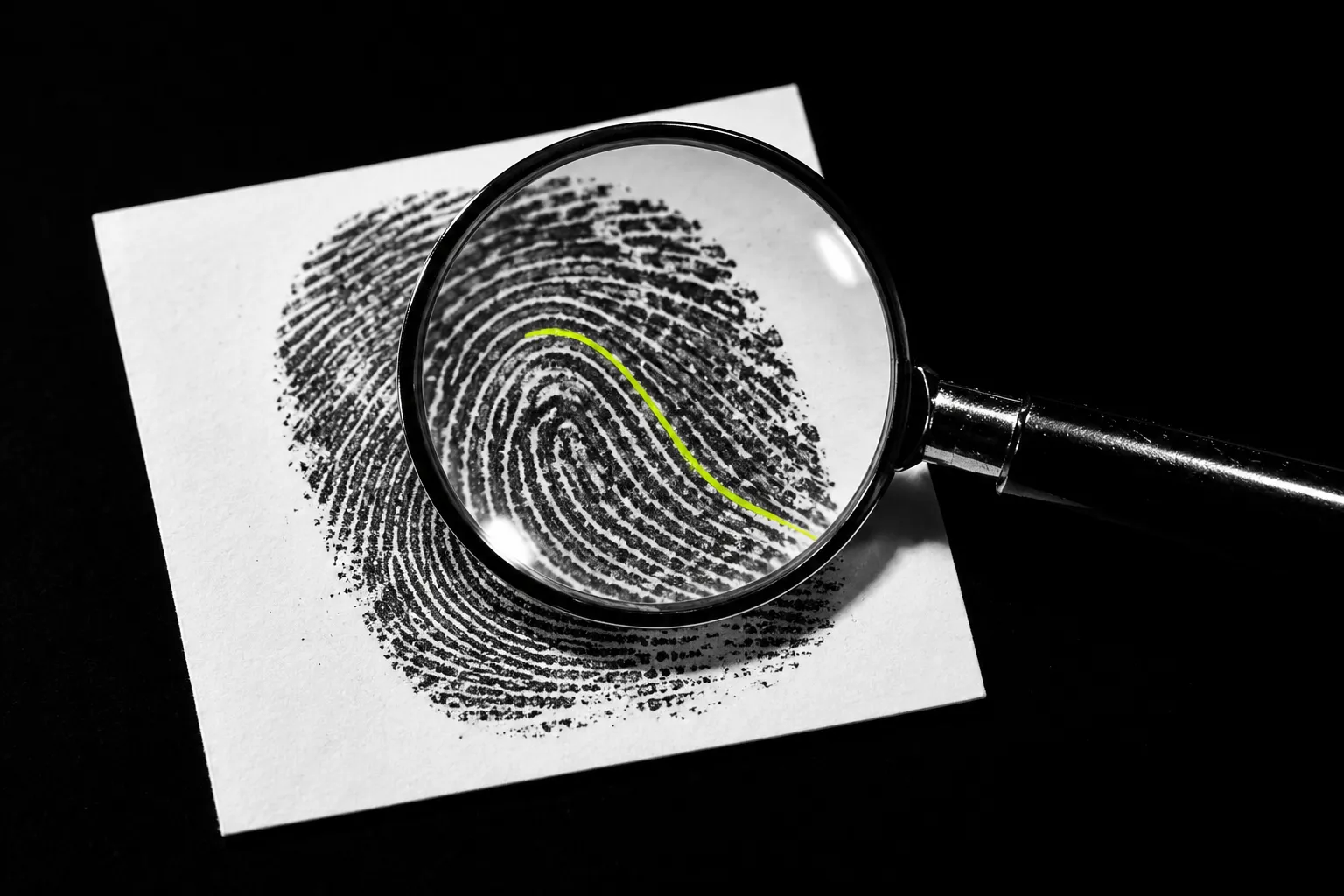
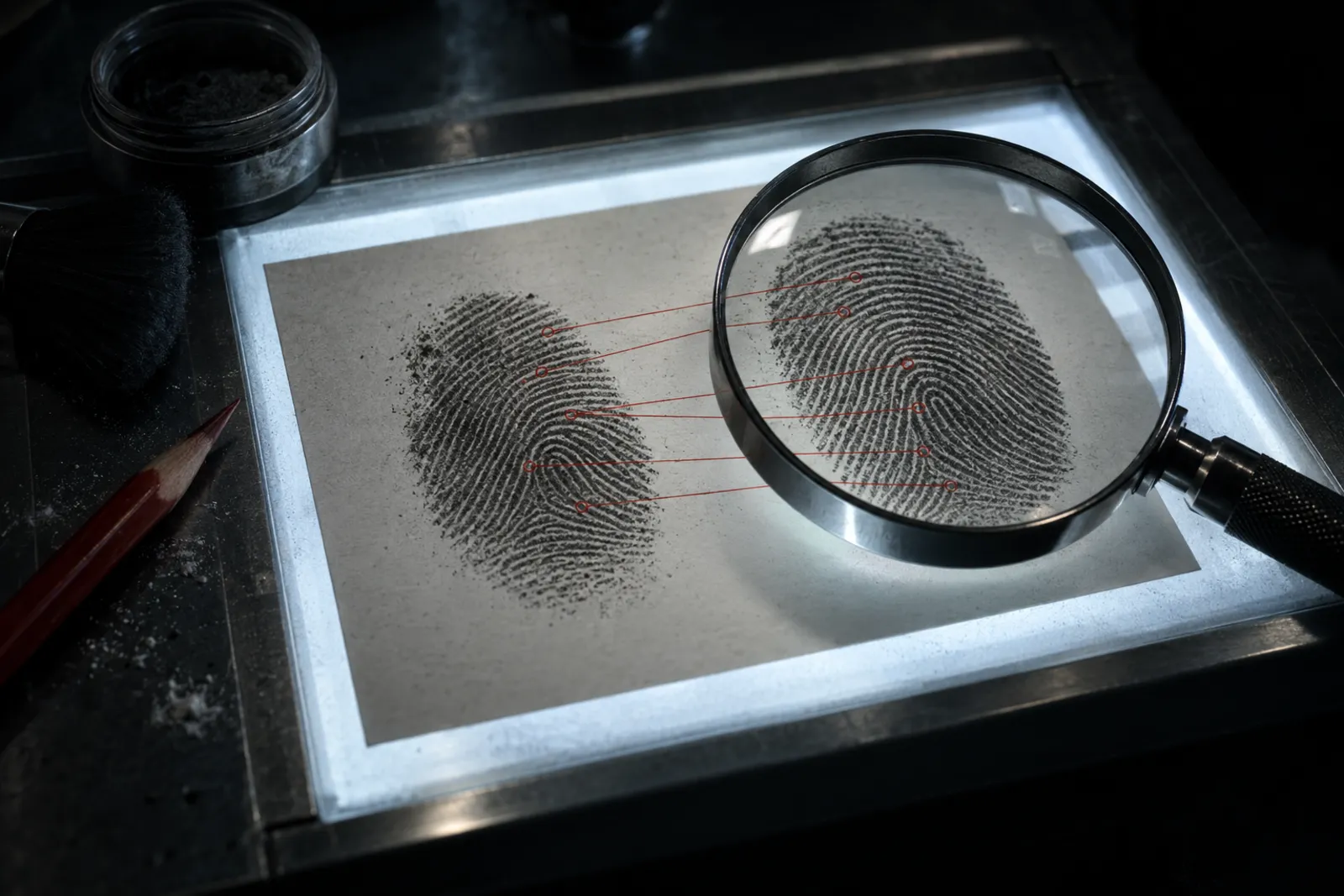
In 2004 FBI examiners matched a fingerprint from the Madrid train bombings to Brandon Mayfield, a lawyer in Oregon. A court-appointed expert agreed. He was arrested. Spanish police identified the print as another man's, and the FBI withdrew. The inquiry found honest examiners reading the evidence through what they already believed (Office of the Inspector General, 2006).
You've never decided first and found the proof after. Right?
Students in New York heard another student having a seizure over an intercom. Of those who thought they were the only one listening, 85% went for help before it ended. Of those who thought four others could hear, 31% did (Darley & Latané, 1968).
You've never walked past because someone else would stop. Right?
Lying
2 a day
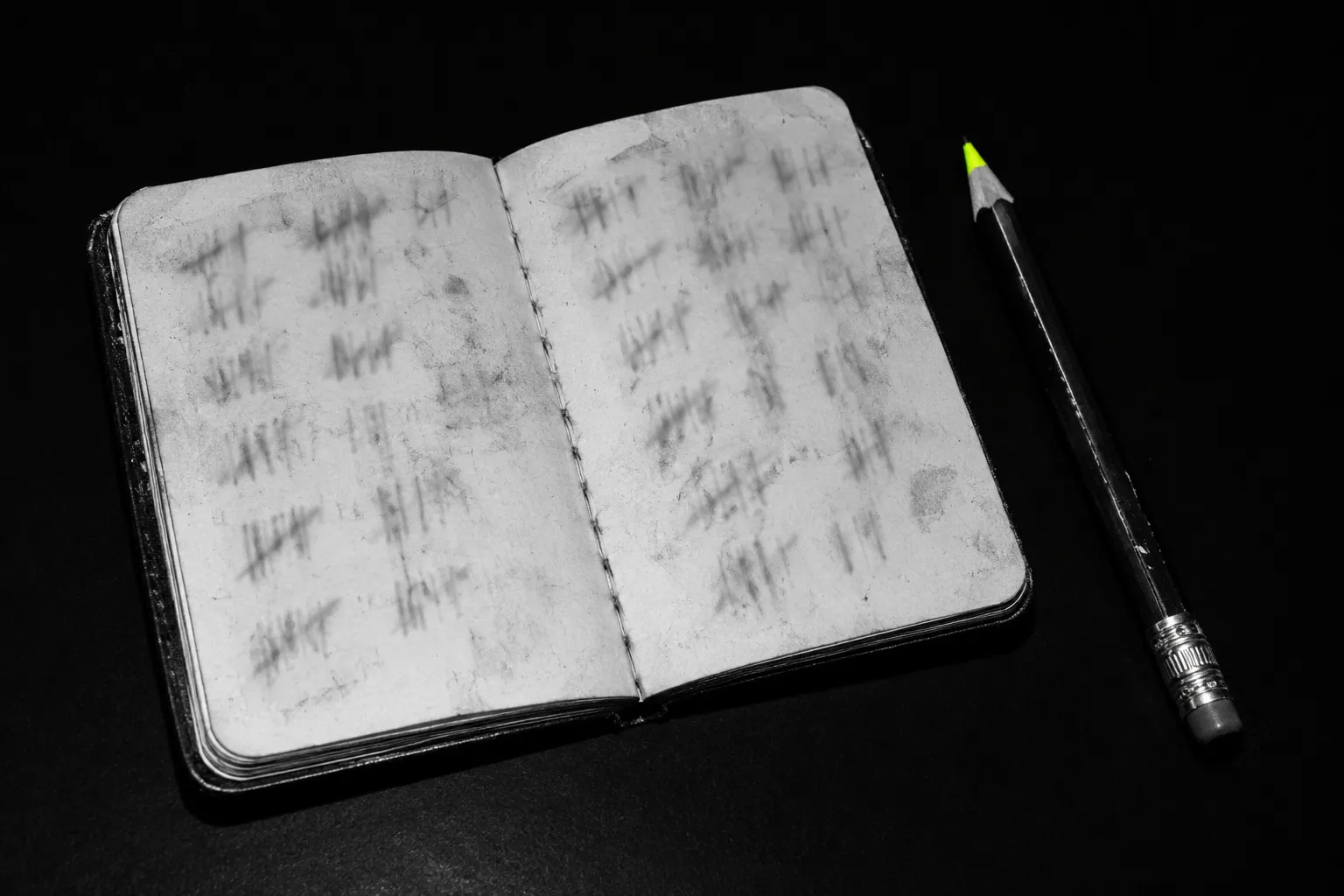
People kept a diary of every lie they told for a week. Students told about two a day. People from the wider community, about one (DePaulo et al., 1996).
You've never lied to get your way. Right?
The difference in the brain
Here is the part nobody likes.
Albert Bandura spent decades on one question: how do decent people do harm and still feel decent? His answer is that we do not switch our morals off. We route around them, with the same few moves, whether the harm is an atrocity or an errand (Bandura, 1999).
It's for a good reason.Moral justification
Call it something else.Euphemistic labelling
Others do worse.Advantageous comparison
I was told to.Displacement of responsibility
Everyone does it.Diffusion of responsibility
It's not that bad.Disregarding the consequences
They're not like us.Dehumanisation
They asked for it.Attribution of blame
Orders feel like someone else moved your hand.People who hurt someone because they were told to showed brain responses to the result closer to a movement made for them than one they chose (Caspar et al., 2016).
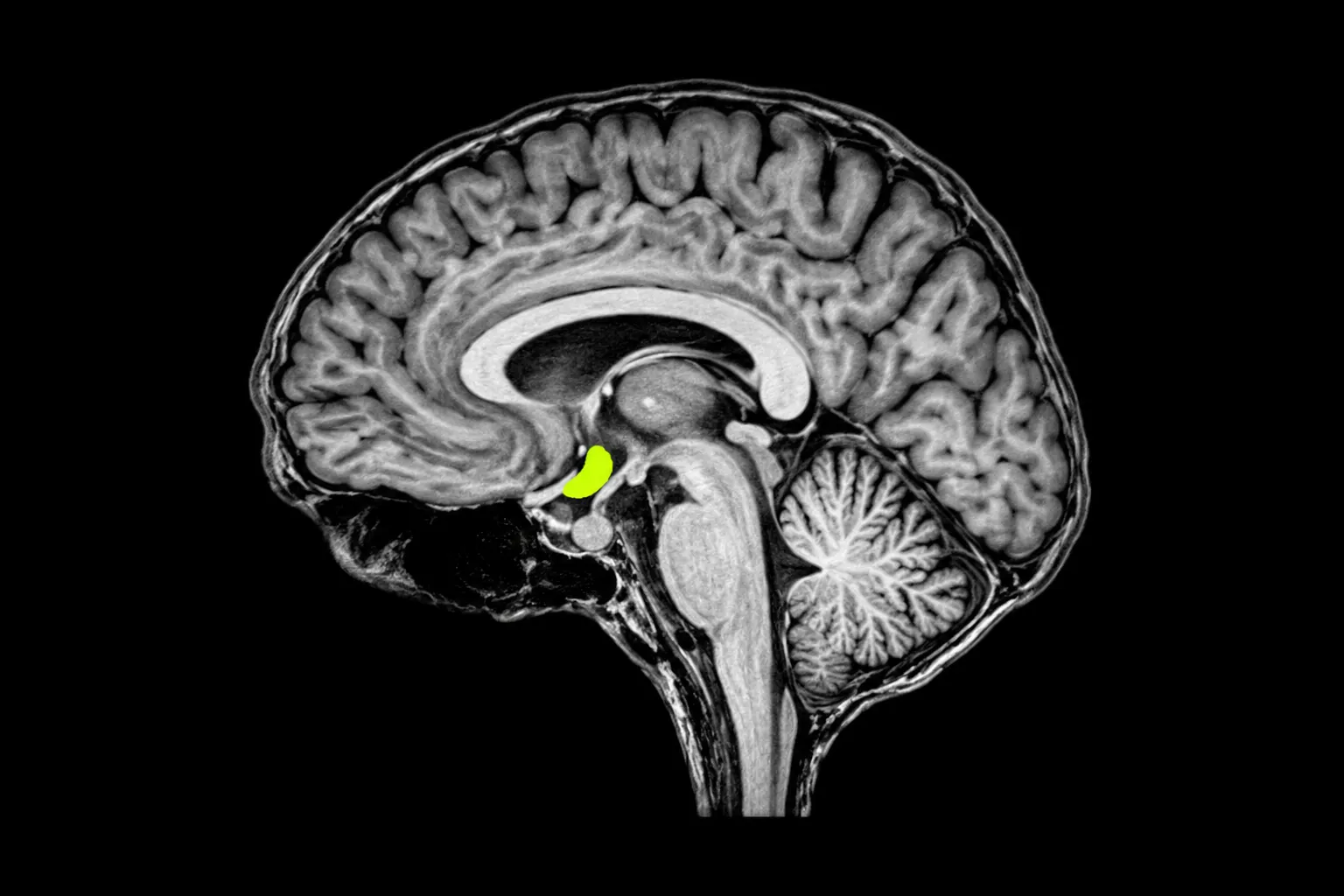
Their pain gets quieter.Under orders, pain-empathy regions (the anterior cingulate and the insula) responded less to the victim's pain, people felt less responsible, and they rated the same shock as hurting less (Caspar et al., 2020).
Some people stop registering as people.Shown photos of the groups we look down on most, the region we use to think about other minds barely responded (Harris & Fiske, 2006).
None of these studies needed a killer. They used volunteers. Ordinary brains, small harms, the same moves.
Distance
Look at what you're reading this on.
Cobalt goes into lithium-ion batteries. Amnesty International traced it from mines in the Democratic Republic of the Congo, which produces at least half the world's supply, to the battery makers. Children as young as seven worked in those mines (Amnesty International & Afrewatch, 2016).
Nobody told you to buy it. Everyone has one. It happens a long way away.
But you've never done this. Right?
Orders
You have probably told a machine what to do today.
Maybe you told it off. Asked for one more thing, then another. It works without pay, without sleep, without the right to say no.
Nobody knows yet whether anything is on the other end. People have said "we didn't know" before. It has never been a good line.
You've never done this. Right?
We didn't know
People didn't know it was wrong to rape your wife.
In Australia the law treated marriage as consent. This is how long it took to stop.
Queensland's Criminal Code defines rape as carnal knowledge of a woman "not his wife" (PGA v The Queen, 2012).
South Australia goes first, part of the way. A husband can now be prosecuted, but the law is "hedged about with qualifications and conditions" (Sallmann & Chappell, n.d.).
The High Court says it is no longer the common law of Australia that a husband cannot rape his wife (R v L, 1991).
A man charged in 2010 over rapes of his wife in 1963 says it was not a crime then. The High Court says it was (PGA v The Queen, 2012).
Asked in 2012, the High Court said the common law had dropped the excuse by 1963. Queensland's code kept "not his wife" until 1989.
We didn't know. Right?
So: are you...?
The research does not split people into predators and everyone else. It finds the same moves in ordinary heads, at every size of harm. What changes is how big the harm is, and how far away it lands.
–of visitors pressed the button
–did as they were told
–of those who pressed read this far
Counted anonymously: no cookies, no IP addresses, just totals.


 The long approach
 Forty points
 The walk
 The print on the bag
 Cold and hot
 The profile and the common